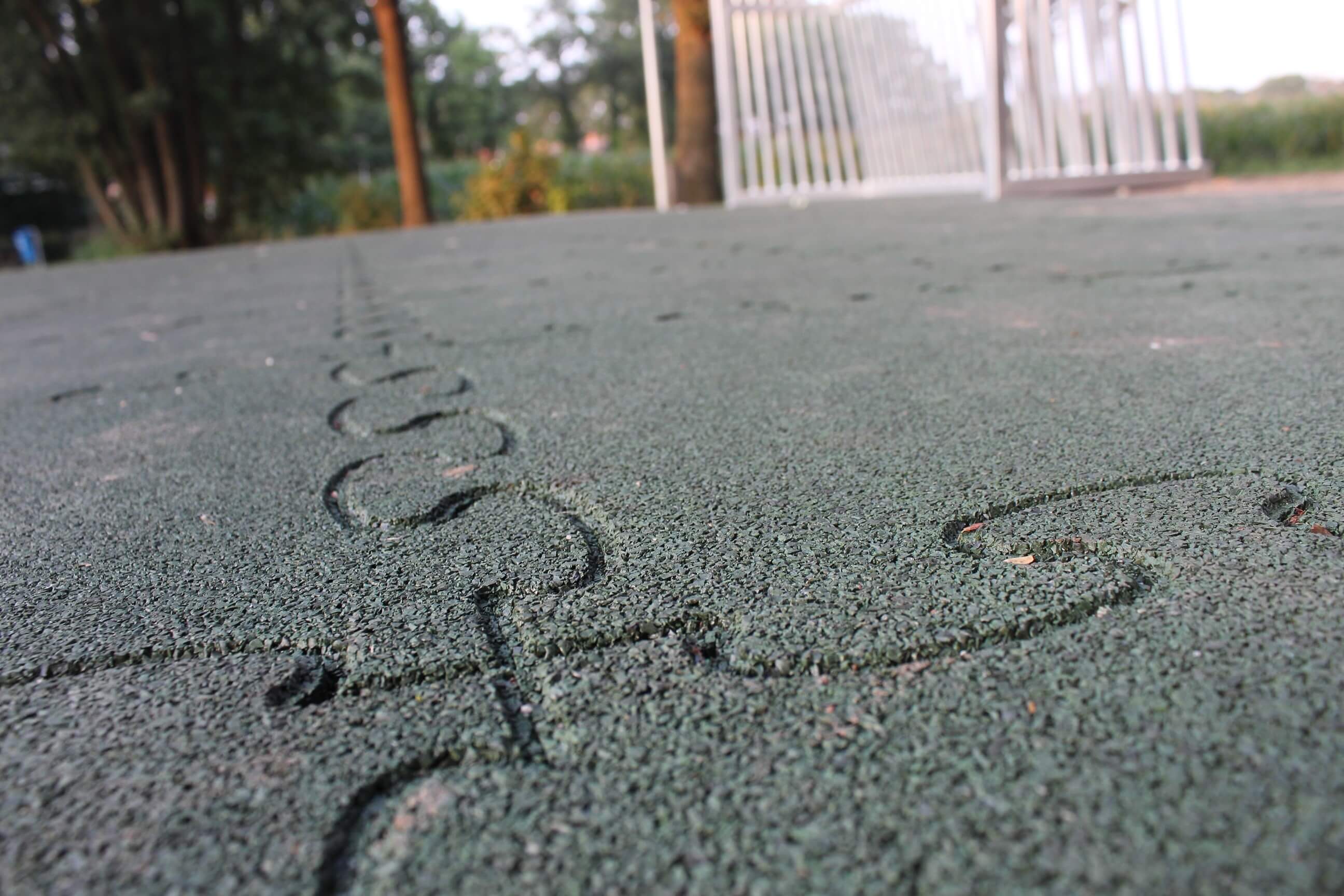
PM3D® Healthy Tiles
The World’s First Impact-Tested Rubber Tile System for Joint Protection
Healthy Tiles
In recent years, our customers have increasingly focused on health and biomechanics alongside safety and sustainability. While many previously required documentation proving child safety for playground surfaces, interest has grown in advanced movement concepts and optimal outdoor training conditions.
Our goal was to compare the physiological benefits of natural surfaces with our modular systems and highlight the advantages rubber solutions can offer. Beyond the obvious benefits—easy maintenance, slip resistance and sustainability—a physiotherapy-oriented client drew our attention to a key question: How effectively can soft rubber tiles reduce impact stress on joints?
Forest Floor and Force Reduction (FR)
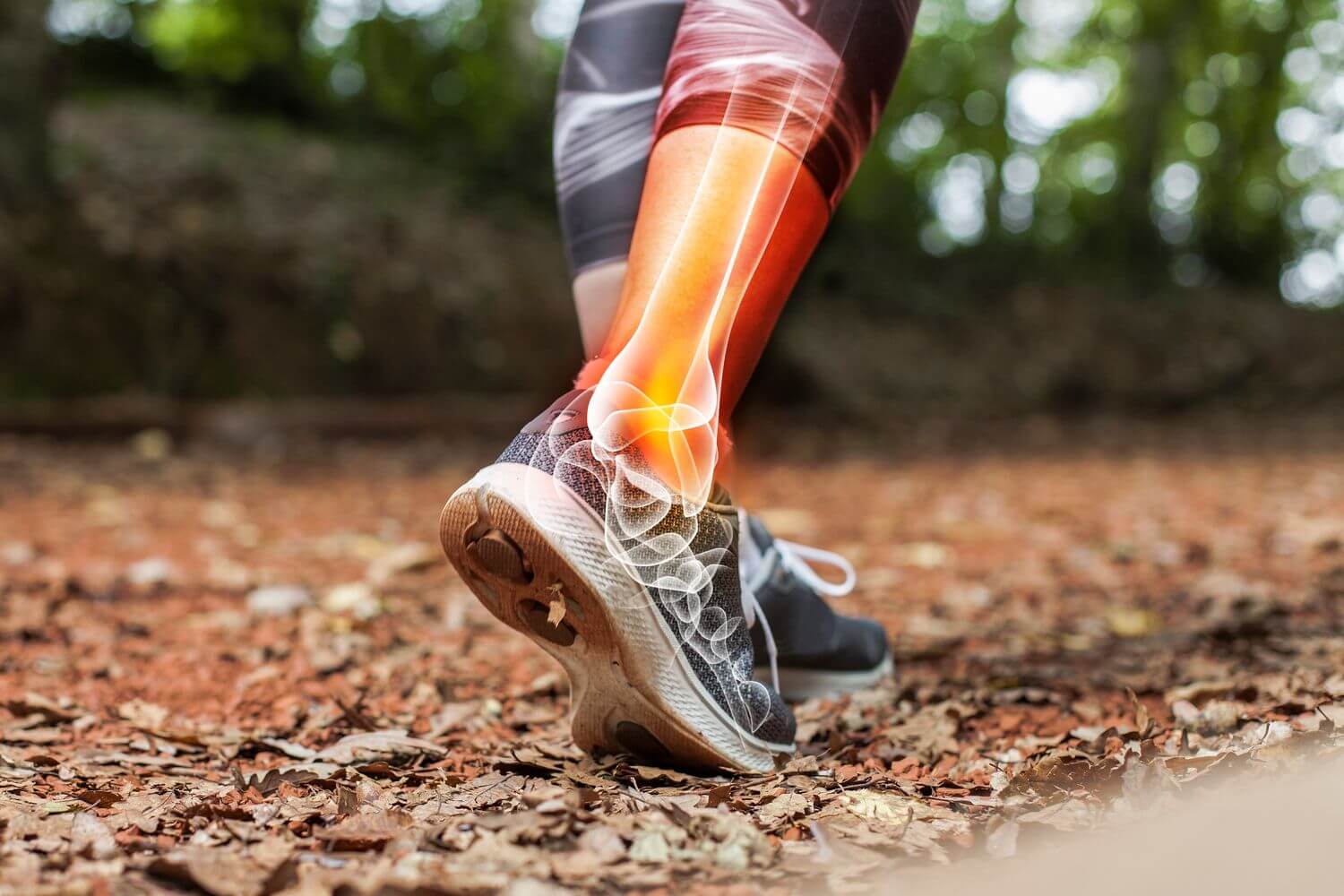
Our primary point of reference became forest soil, which is highly valued by long-distance runners for its ability to absorb impact forces and support natural foot mechanics. It is also used therapeutically for joint pain or cartilage issues because it reduces load compared to hard urban surfaces.
Research shows that forest soil provides approximately 70–80% force reduction (FR), meaning it absorbs 70–80% of the impact force compared to concrete. Based on this, we tested our Puzzle Mat 3D® system under the same parameters to determine measurable joint-relief values.
Test results (FR):
- 4.5 cm Puzzle Mat 3D® = 70% FR
- 6,0 cm Puzzle Mat 3D® = 71% FR
- 8,0 cm Puzzle Mat 3D® = 74% FR
Als Inspirationsquelle diente uns hier Waldboden, der besonders über seinen hohen Kraftabbau bzw. der Absorbierung von Stoßkraft und der Förderung des Abrollverhaltens der Füße beliebt bei Langstreckenläufern ist. Therapeutische Zwecke erfüllt Waldboden in Fällen von Knorpelschäden oder Gelenkschmerzen, da er den Druck auf den Körper reduziert und als Entlastung zu den verbreiteten Asphaltflächen genutzt wird.
Unsere Nachforschungen haben ergeben, dass Waldboden einen Kraftabbau von ca. 70-80% hat. Der Kraftabbau leitet sich hier von der in Newton gemessenen Stoßkraft im Vergleich zu Betonoberflächen ab. In anderen Worten Waldboden absorbiert 70-80% der Stoßkraft im Vergleich zu Beton. Von diesen Nachforschungen ausgehend haben wir uns zusammengesetzt und überlegt ob wir unser Puzzle Mat 3D® System auf diese Parameter testen können und Werte für die Gelenkschonung der Sportlerinnen und Sportler herleiten können.
Die Ergebnisse waren wie folgt:
• 4,5cm Puzzle Mat 3D® = 70% KA
• 6cm Puzzle Mat 3D® = 71% KA
• 8cm Puzzle Mat 3D® = 74% KA
How can we bring the forest floor into the city?
With its specialized drainage structure, Puzzle Mat 3D® achieved FR values similar to forest soil, opening new health-focused applications. This is especially relevant because only 30% of densely populated countries is forested, and most urban residents seldom encounter soft, natural ground in daily life.
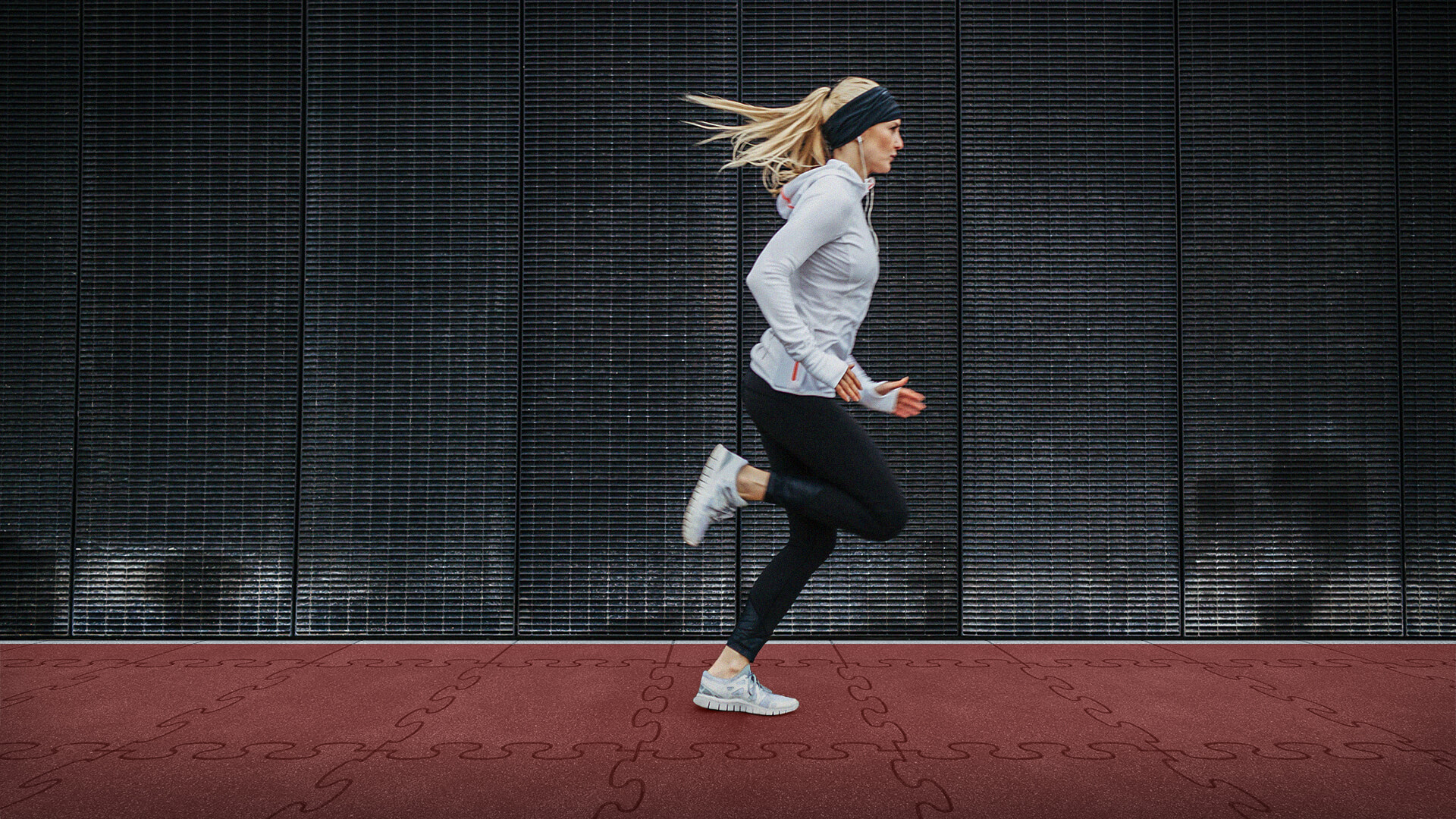
In everyday environments, we mostly walk on asphalt, which offers only around 5% forece reduction. The human body was not designed to move on such hard surfaces. The modular click-together 3D system makes it possible to create soft, joint-friendly pathways in cities with minimal construction effort—unlike poured-in-place systems or track surfaces. These walkways can be used for running, low-impact exercise or everyday joint-friendly movement.
Calisthenics facilities can also benefit from Healthy Tiles, as the elastic properties support safer landings when athletes drop from bars. This significantly reduces stress on ankles, knees and the spine.
Additionally, unlike natural forest soil, rubber tiles create a flat, uniform and trip-free surface. Puzzle Mat 3D® delivers consistent, predictable performance and can be integrated into urban environments as a controlled, reliable “forest-floor substitute.”