



What is calisthenics?
- Thomas
- 4. February 2025
Calisthenics has become one of the world’s most popular and versatile training methods. It focuses on building strength, mobility, and endurance using nothing but your own bodyweight. The word calisthenics comes from the Greek terms kallos (beauty) and sthenos (strength)—meaning “beautiful strength.”
Originally practiced in ancient Greece, calisthenics has seen a major revival in recent years, driven by outdoor workouts, social media, and the rise of calisthenics parks worldwide. But what exactly defines calisthenics—and why is this style of training so effective?
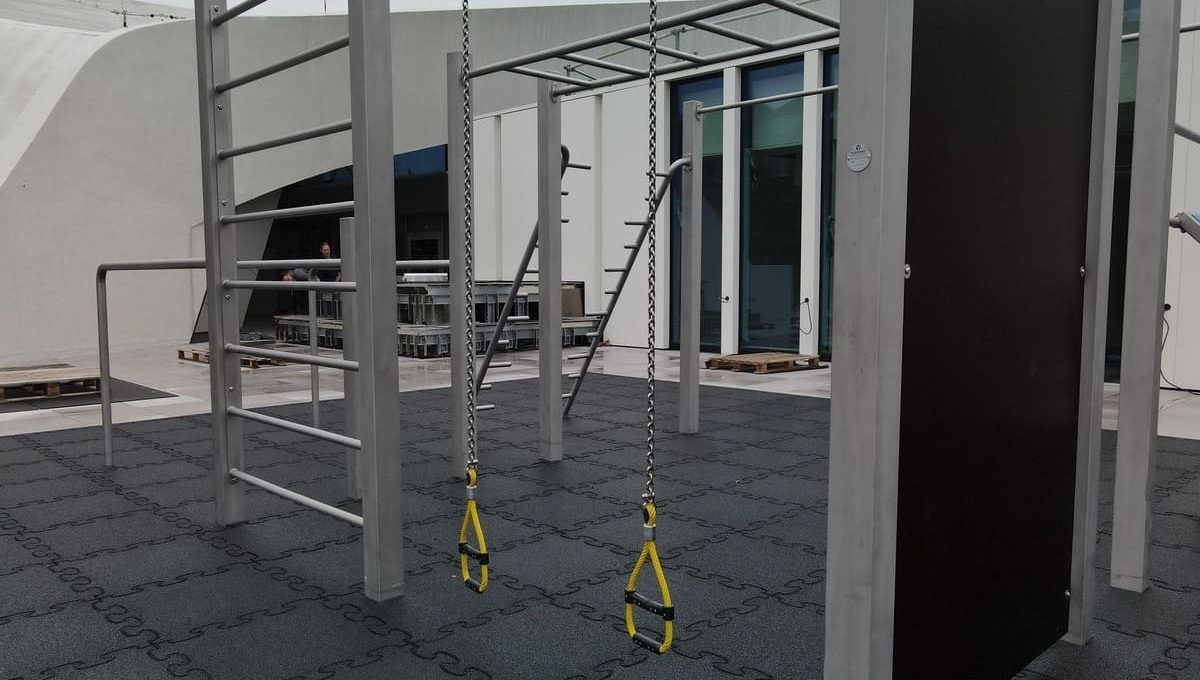
Table of Contents
What Is Calisthenics?
Calisthenics is a form of training that uses your own bodyweight as resistance to build strength, coordination, and functional movement. Unlike traditional weight training, calisthenics emphasizes natural movement patterns and full-body control.
Who Invented Calisthenics?
The roots of calisthenics lie in ancient Greece, where it was used as a form of gymnastics and physical conditioning. Over the centuries, the training style evolved and eventually found a modern home in street-workout culture—especially in cities like New York.
Today, calisthenics is practiced globally, supported by public calisthenics parks and online communities.
The Purpose of Calisthenics
The core goal is to improve:
- body control
- functional strength
- coordination
- mobility
Calisthenics builds a strong, stable body that moves well—not just one that looks strong.
Equipment for Calisthenics
While beginners can train without any equipment, advanced athletes often use:
- Pull-up bars
- Parallettes
- Resistance bands
- Gymnastic rings
- Outdoor fitness flooring or safety mats for high-impact movements
Benefits of Calisthenics
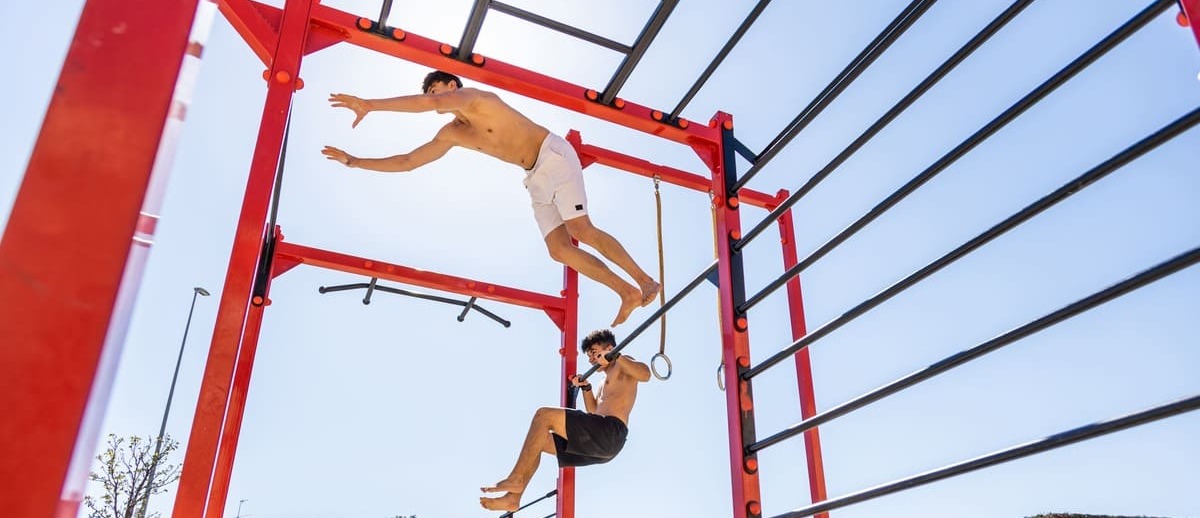
Calisthenics provides numerous advantages:
Full-Body Training
Most exercises activate multiple muscle groups, improving strength, stability, and mobility simultaneously.
Flexible & Location-Independent
Train indoors, outdoors, at home, in the gym, or in calisthenics parks—anywhere your body can move.
Cost-Effective
No expensive gym memberships or machines required.
Improved Body Control
Calisthenics enhances balance, coordination, and awareness of your own movement.
Joint-Friendly
Because you’re using bodyweight instead of external loads, stress on the joints is significantly lower than in traditional weightlifting.
The 5 Best Calisthenics Exercises
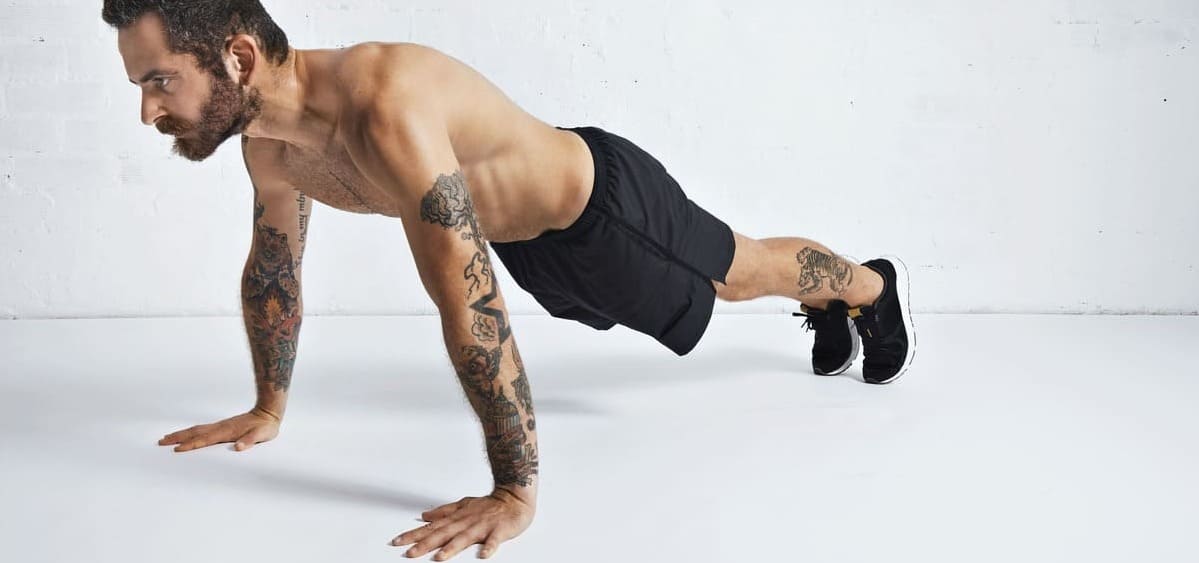
1. Push-Ups
Targets chest, shoulders, triceps, and core.
Variations: wide, narrow, elevated feet, explosive push-ups.
2. Pull-Ups
Targets back, shoulders, and arms.
Variations: overhand, underhand, one-arm progressions.

3. Squats:
Targets legs and glutes.
Variations: pistol squats, jump squats.

4. Dips:
Targets chest, triceps, and shoulders.
Performed on parallettes or stable bars.

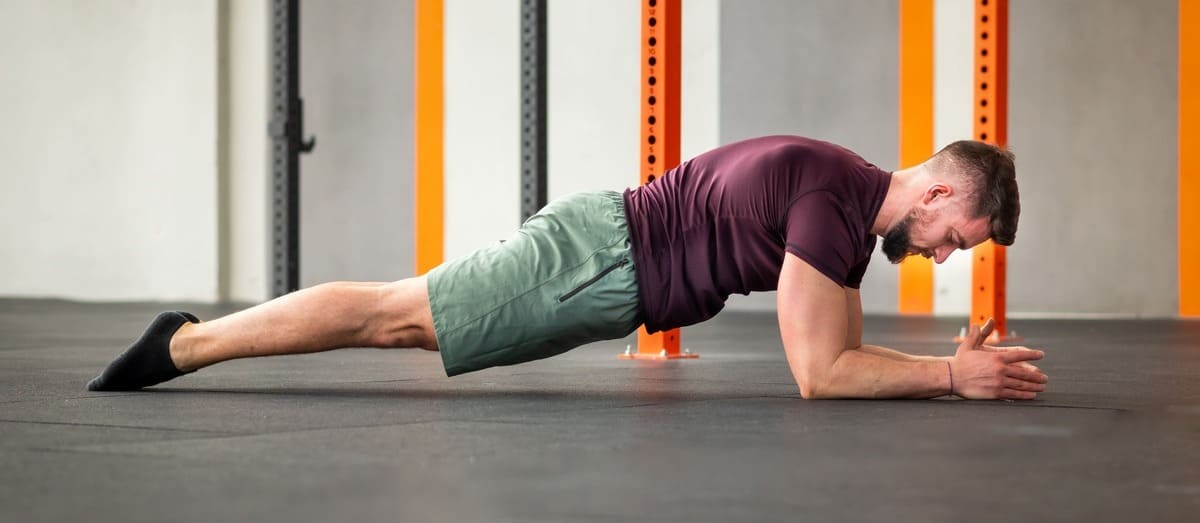
5. Plank:
Targets core stability.
Variations: side plank, dynamic plank to push-up.
Who Is Calisthenics Suitable For?
Calisthenics is ideal for all ages and fitness levels.
Beginners can start with simple bodyweight movements, while advanced athletes tackle handstands, muscle-ups, and one-arm pull-ups.
How Often Should You Train?
- Beginners: 2–3 sessions per week, focusing on proper form
- Advanced athletes: 4–6 sessions per week with balanced recovery
Where Can You Train Calisthenics?
Calisthenics is extremely flexible:
Outdoors
Public calisthenics parks featuring pull-up bars, dip bars, and dedicated outdoor fitness flooring for safe landings.
At Home
Doorway pull-up bars, parallette bars, resistance bands, or simple mats.
Safety Consideration
High-impact movements—such as jumps, handstands, and dynamic skills—benefit from proper safety surfacing for calisthenics, including rubber flooring or fall-protection tiles.
Training Methods & Sample Workout
A typical calisthenics session includes:
Warm-Up (5–10 min)
Light jogging, jumping jacks, or dynamic stretching.
Main Workout
- Push-Ups: 3 × 10
- Pull-Ups: 3 × 8
- Squats: 3 × 12
- Muscle-Ups (or progressions): 3 × 6
Cool-Down (5–10 min)
Light stretching and mobility work.
FAQ
A calisthenics facility is an outdoor or indoor training setup with pull-up bars, dip bars, parallel bars, and other equipment designed for bodyweight exercises. These spaces often include outdoor fitness flooring or safety surfacing for calisthenics to reduce injury risks.
A calisthenics park is a dedicated outdoor workout area equipped with multiple stations for bodyweight training. It typically includes safety-certified surfacing to minimize injury risk.
Yes. A standard basketball court (28 × 15 m) offers plenty of space for bodyweight training. Lines can be used for interval drills, and the even base is excellent for calisthenics conditioning.
Auch interessant